
Subdeacon Joe
-
Posts
47,547 -
Joined
-
Last visited
-
Days Won
593
Content Type
Profiles
Forums
Events
Everything posted by Subdeacon Joe
-
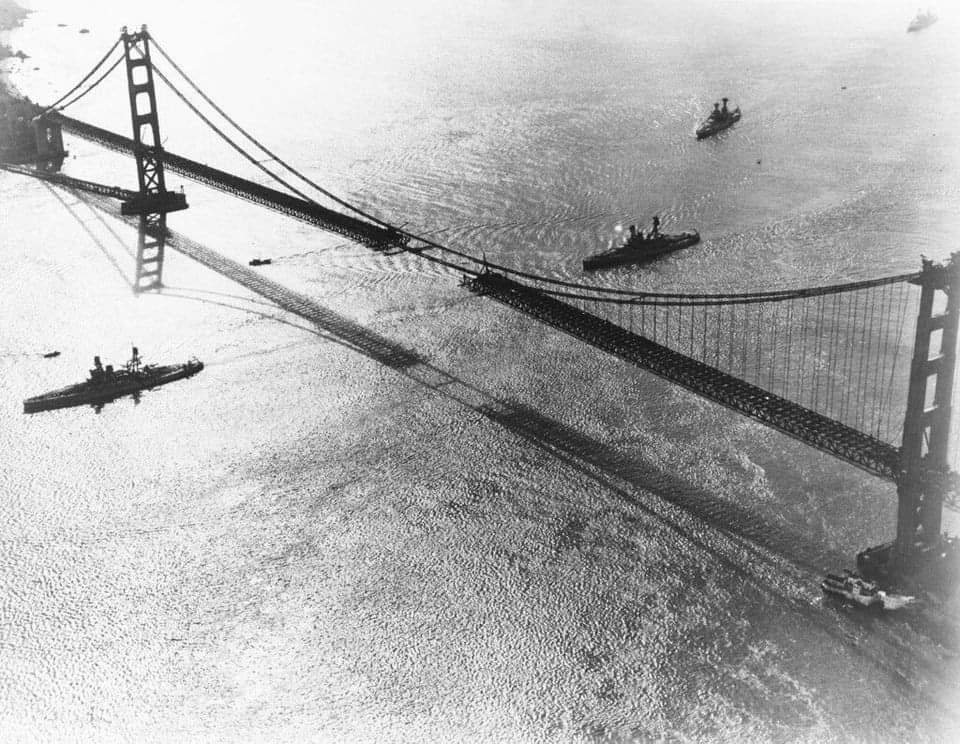
Battleships USS Texas, USS Maryland, USS Arizona, and USS Nevada cruising under the incomplete Golden Gate Bridge in 1936. https://navalhistoria.com/uss-nevada/
-
• An Oxford comma walks into a bar where it spends the evening watching the television, getting drunk, and smoking cigars. • A dangling participle walks into a bar. Enjoying a cocktail and chatting with the bartender, the evening passes pleasantly. • A bar was walked into by the passive voice. • An oxymoron walked into a bar, and the silence was deafening. • Two quotation marks walk into a “bar.” • A malapropism walks into a bar, looking for all intensive purposes like a wolf in cheap clothing, muttering epitaphs and casting dispersions on his magnificent other, who takes him for granite. • Hyperbole totally rips into this insane bar and absolutely destroys everything. • A question mark walks into a bar? • A non sequitur walks into a bar. In a strong wind, even turkeys can fly. • Papyrus and Comic Sans walk into a bar. The bartender says, "Get out -- we don't serve your type." • A mixed metaphor walks into a bar, seeing the handwriting on the wall but hoping to nip it in the bud. • A comma splice walks into a bar, it has a drink and then leaves. • Three intransitive verbs walk into a bar. They sit. They converse. They depart. • A synonym strolls into a tavern. • At the end of the day, a cliché walks into a bar -- fresh as a daisy, cute as a button, and sharp as a tack. • A run-on sentence walks into a bar it starts flirting. With a cute little sentence fragment. • Falling slowly, softly falling, the chiasmus collapses to the bar floor. • A figure of speech literally walks into a bar and ends up getting figuratively hammered. • An allusion walks into a bar, despite the fact that alcohol is its Achilles heel. • The subjunctive would have walked into a bar, had it only known. • A misplaced modifier walks into a bar owned a man with a glass eye named Ralph. • The past, present, and future walked into a bar. It was tense. • A dyslexic walks into a bra. • A verb walks into a bar, sees a beautiful noun, and suggests they conjugate. The noun declines. • A simile walks into a bar, as parched as a desert. • A gerund and an infinitive walk into a bar, drinking to forget. • A hyphenated word and a non-hyphenated word walk into a bar and the bartender nearly chokes on the irony.
-
Even better for her, Cleveland won 6-4!
-
https://m.facebook.com/story.php?story_fbid=pfbid02KkrpVbU9w6wSHrta7VNA8jGXR1GbotHFHfYntfJyQDcsBibtgLMKxRW9JvxXkGQ5l&id=100000340183042&mibextid=CDWPTG
-
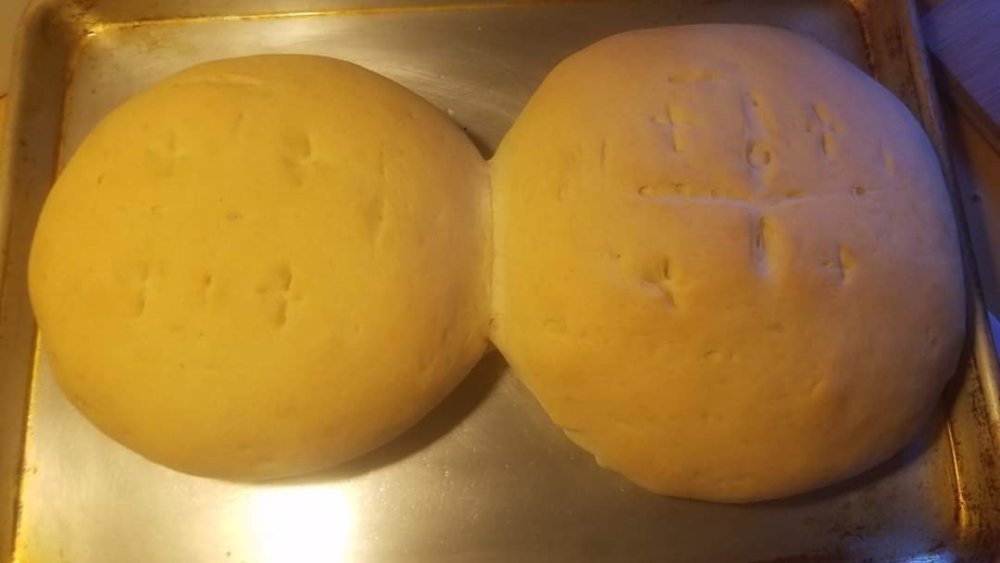
I tap on the top with my fingertips, a good solid tap, almost a thump. Not just sound but also feel and give. It should sound hollow, have a firm crust with little give.
-
About what I get. That's for a loaf made with ~ 3 cups of flour. If I make a 6 cup round loaf it's 50 to 55 minutes. If I divide my 6 cup loaf into thirds for Запивка (zapivka) for church it's about 35 minutes.
-
Any more I use a probe thermometer for almost any meat in the oven. Casseroles not so much. I've tried it with bread and don't find any benefit.
-
 FW-190 narrowly misses the payload dropped by a B-26. Captured by a camera of a USAAF B-26 Marauder during a raid over Germany in early 1945.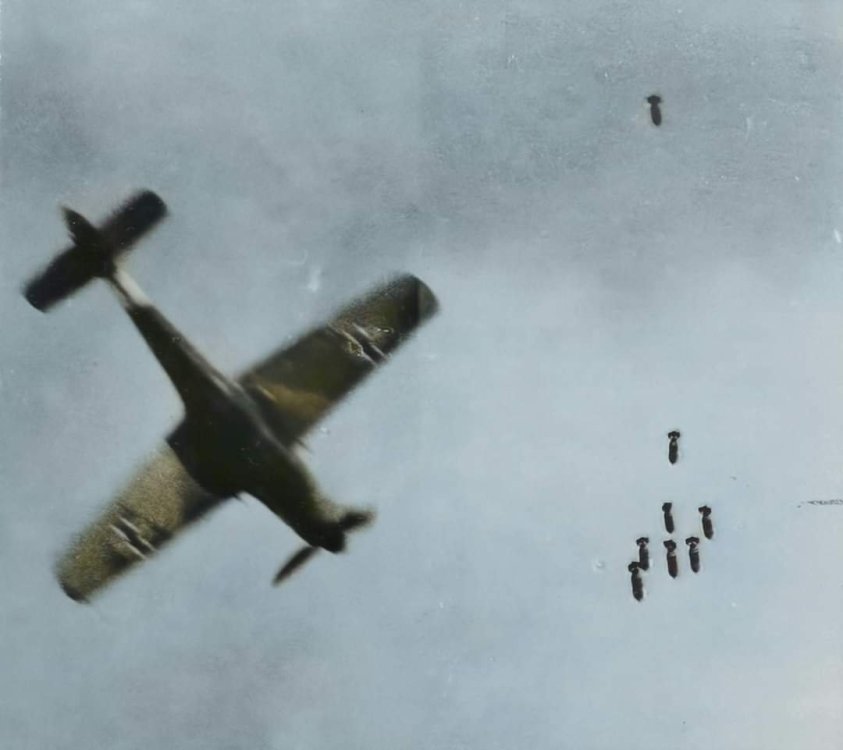
-
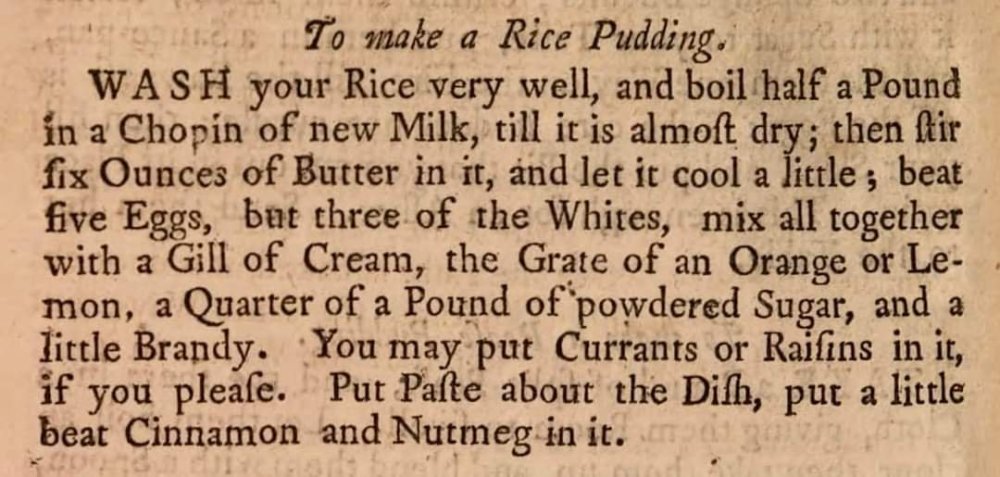
When you make food from receipts like this you learn to adapt.
-
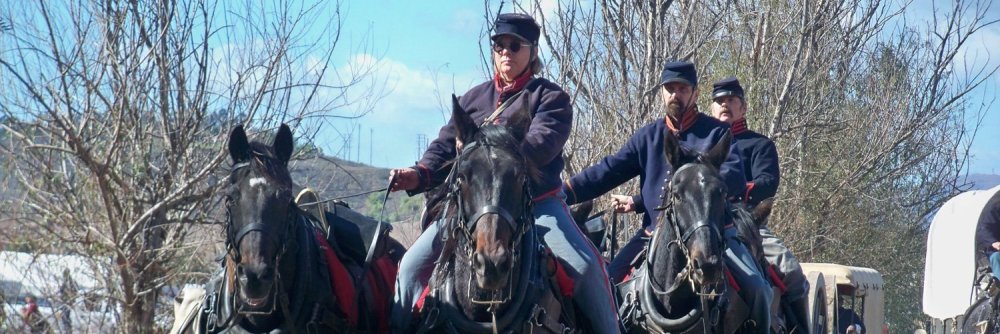
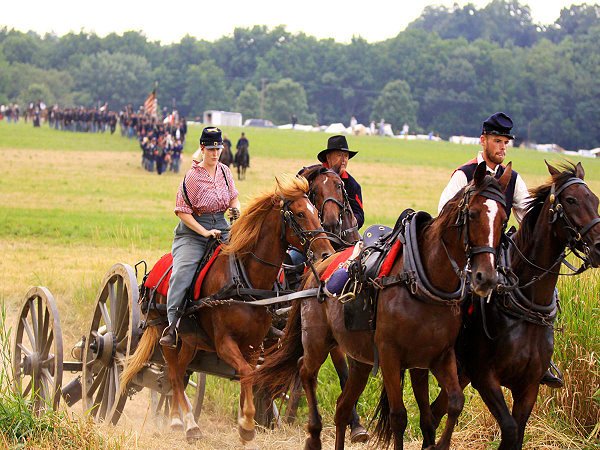
Household Cavalry Loose in London
Subdeacon Joe replied to Subdeacon Joe's topic in SASS Wire Saloon
?! -
Nope. Well....maybe on a box secured in the trunk. I do use it for my phone, and several apps on my phone. That way I don't have to remember to what I last changed my password. ("Change Password" "Enter new password" clickity, clickity, click "New password must not be the same as old password")
-
In your lasagna example, if pressed for a time, I'd say about 2/3 of the time for the full receipt. Usually I just cook it "Until it looks done" and don't worry about timing to the minute. I know to check it after a little while. Of course, the times given in a receipt often need to be modified. Some of it might be my oven (a small ~30 year old, 24" wall oven), but I've had that issue with other ovens, too. "Bake at 350F for 45 minutes" and then have to add half an hour to bake it through. Or should have taken it out after 20 minutes. I almost prefer the old receipts "Bake in a moderate oven until done."
-
LORDY! https://www.bbc.com/news/uk-england-london-68895233 https://nypost.com/2024/04/24/world-news/blood-soaked-military-horses-run-amok-in-london/
-
Ignore the "Age Restriction" on the above. It's just the setting of the Youtube page.
-
https://www.msn.com/en-us/news/us/pilot-reported-fire-onboard-plane-carrying-fuel-attempted-to-return-to-fairbanks-just-before-crash/ar-AA1nBgtu?ocid=hpmsn&cvid=56342ce332db40e88a552e1245310ff3&ei=19&fbclid=IwZXh0bgNhZW0CMTEAAR24inCFpNfOb7OshxpvOQ8BgHfsU9JbKvetCTLPLlqyQ85EGH8jDIwszrs_aem_AZOByYXUvqf-xILOIxLtvDvugE-wzsK0bE9uE2IsS6P48YRIrF556SvlIY7l1S8JCLgOp5ccs5Bw6ZK8lQl7cDAh ANCHORAGE, Alaska (AP) — One of the two pilots of a vintage military plane that was delivering heating oil to a remote Alaska Native village reported a fire on board shortly before the aircraft crashed and burned outside Fairbanks, killing both of them and leaving debris over a wide area, a federal transportation official said Wednesday. The C54D-DC airplane — a military version of the World War II-era Douglas DC-4 aircraft — crashed about 7 miles (11 kilometers) outside Fairbanks. It hit a steep hill, slid down an embankment to the bank of the Tanana River and burst into flames. No survivors were found, according to Alaska State Troopers.
-
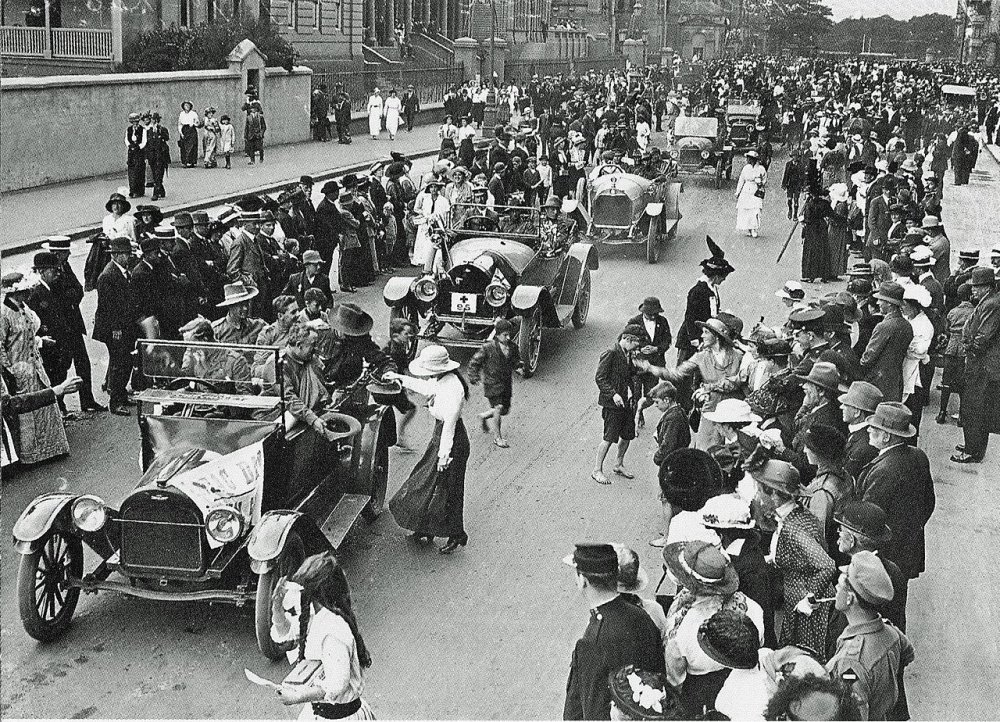
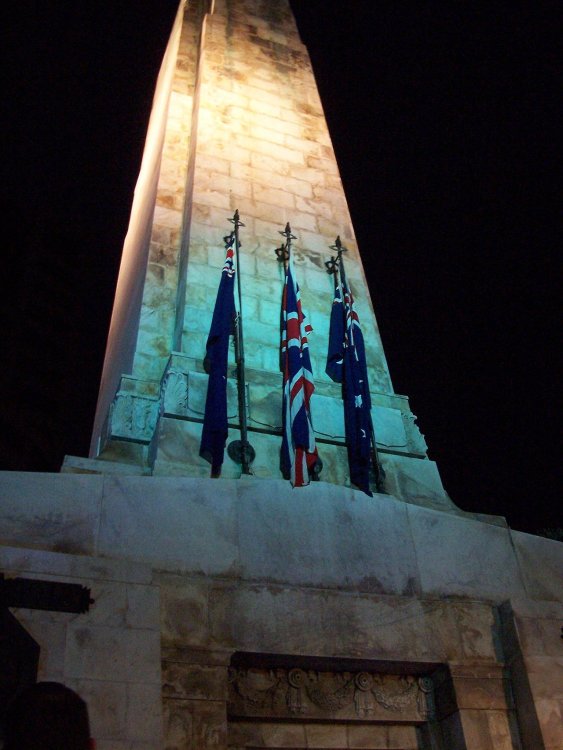
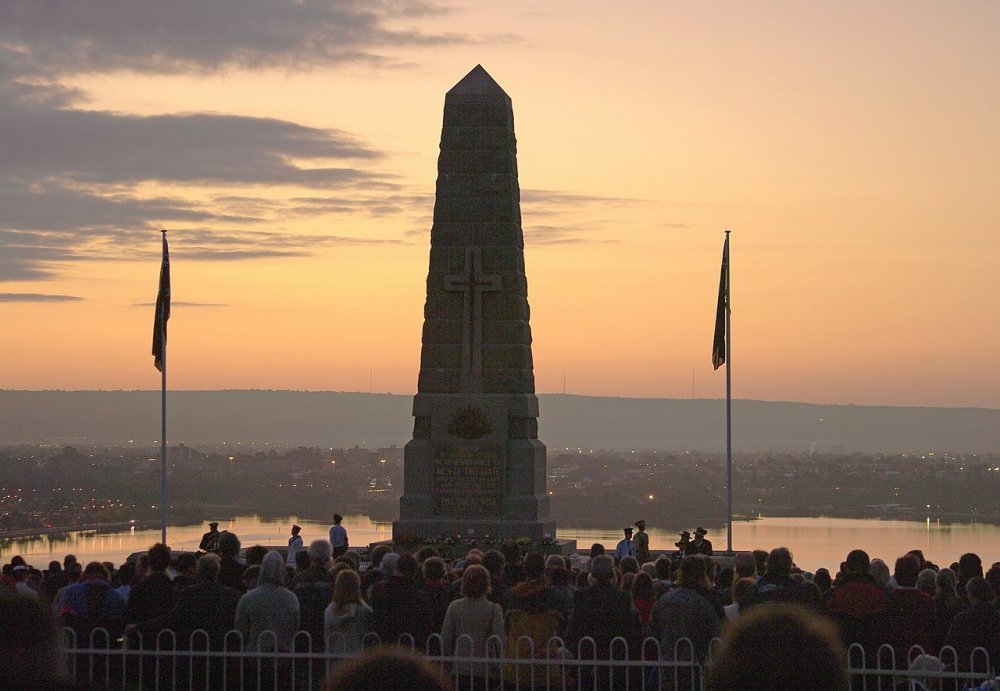
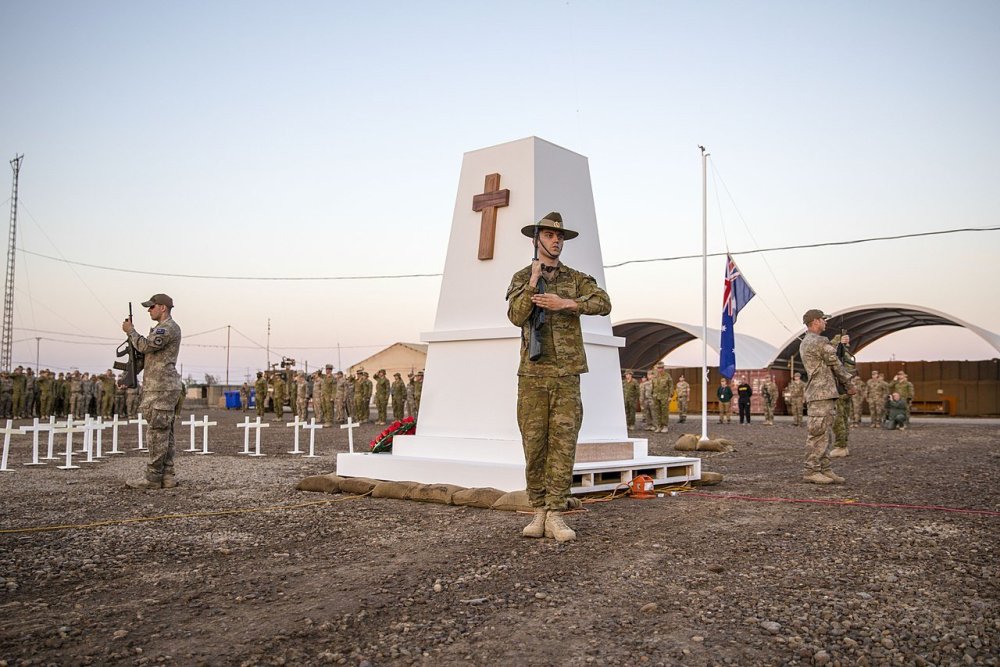
First ANZAC Day various other images I almost like this better than the professionals
-
I had a ~12 oz. version of that that I used at reenactments. One evening, Friday set up, I got there early, got my tent set, got the fire area cleared, pit dug, and fire going for my evening meal. A young man showed up - he had worked a graveyard shift and driven from Bakersfield to Camp Meeker (near Jenner) in northern CA. He was dog tired, smelled my coffee, asked if he could have a cup. So I brewed one for him, even scrapped some sugar from the piloncillo for him. I don't think he had every had a cup of COFFEE, just Starbucks stuff. His eyes flew wide open..."That's STRONG!" I took the cup, sipped, "No, that's just coffee, about normal strength."
-
Hmmm.....I see it as St. George protecting the sheep (Christians) from the dragon (Diocletian and the Devil). Of course, there are several interpretations of it. That's just my take on it. One of them is a village was being beset by a dragon which prevented the people from tending their flocks, and once a year they would sacrifice a virgin to the dragon. St. George subdued the dragon, put a rope or chain on it, had a young woman lead it to the village where St. George killed it.
-
-
Fr. Andrew Stephen Damick · Just in time for the feast day. St. George knows it takes at least a week on the spit to get dragon just right. (With lemon!) Also, eating dragons is Biblical (Ps. 74:14). I thought that the style of the icon looked Ethiopean/Eritrean. Святой Отец Георгий Моли Бога о нас.
-
Surprising that that keyway cutter made it that far before overheating and breaking. My second day on the job at a machine shop I was being trained how to load and run locking blocks (metal injection molded, we milled and reamed the holes to within tolerance) on a pallet in Haas Mini-Mill. Part of the process was to punch the "Coolant Off" button, turn a valve from the coolant nozzles to a hose, hit "Coolant On," wash the chips off the parts and pallet, gauge them with the GO-NO GO pins, remove the parts, hose down the pallet again, turn the Coolant off, then turn the valve back to the nozzles, load the pallet, punch the "Coolant On" then punch the GO button. First 2 went fine. Third I forgot to turn the Coolant on. First tool was a .234 end mill. By the 5th part it was cherry red and the sparks were impressive. Ruined one end mill and 5 parts. There are some tools that are designed to be run without Coolant.
-
To Rear Admiral
- 1 reply
-
- 8
-

-

-

-