
Subdeacon Joe
-
Posts
53,514 -
Joined
-
Last visited
-
Days Won
631
Content Type
Profiles
Forums
Events
Posts posted by Subdeacon Joe
-
-
-
From a couple of years ago.
https://www.livescience.com/dinosaur-shrimp-emerge-arizonaThese tadpole-size creatures, called Triops "look like little mini-horseshoe crabs with three eyes," Lauren Carter, lead interpretation ranger at Wupatki National Monument, told Live Science. Their eggs can lie dormant for decades in the desert until enough rainfall falls to create lakes that provide real estate and time for the hatchlings to mature and lay eggs for the next generation, according to Central Michigan University.
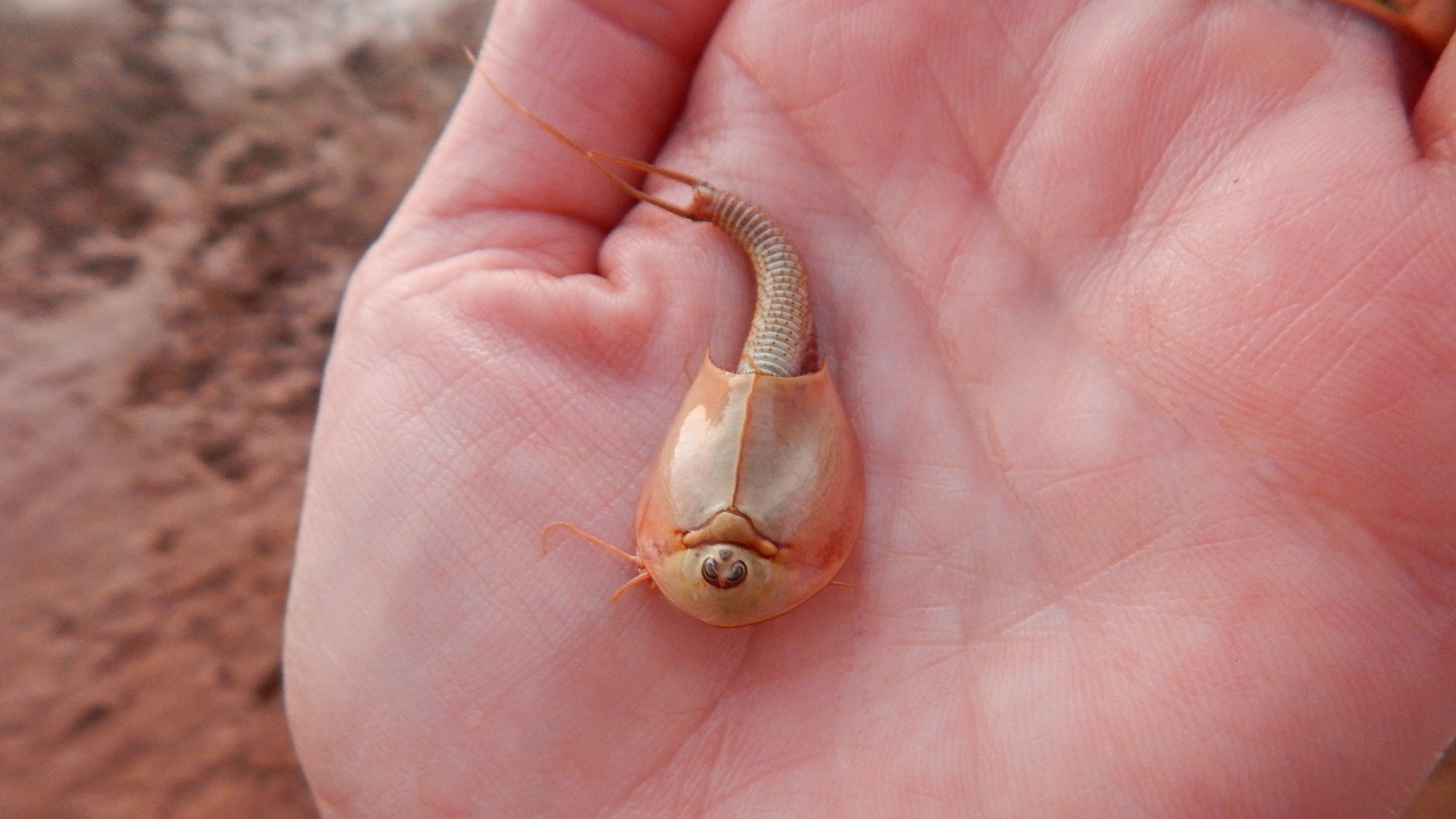
One of the triops — a small, three-eyed crustacean — from the ball court pond at Wupatki National Monument in Arizona. (Image credit: L.Carter/NPS)
https://www.nps.gov/wupa/learn/nature/springs.htm
-
 4
4
-
-
-
1
-
 2
2
-
-
Priceless!
-
 1
1
-
-
-
1
-
-
Get publicity or get sued....tough choice.
-
1
-
-
-
-
2
-
-
https://www.nps.gov/amis/learn/historyculture/viaduct.htm
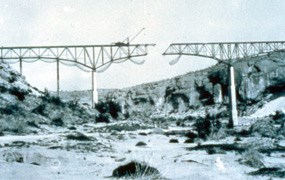
Construction of the Pecos High Bridge nears completion
Courtesy Whitehead Museum
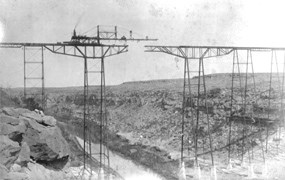
The Pecos Viaduct in its final phases of construction.
Courtesy Lehigh Museum
-
1
-
-
We have LOTS of 12.5 ounce cans of chicken breast from the Food Bank. I played around with making Chicken Cakes. First I read a bunch of receipts online. Thought of what I have on hand, and cobbled this together. Turned out pretty good.
Chicken Cakes
2 cups shredded chicken or canned chicken
1/4 cup mayonnaise
1/2 cup parmesan cheese or Cheddar cheese or Mozzarella cheese
2 large eggs
1/2 cup breadcrumbs
1/4 cup all-purpose flour
1 teaspoon salt
1/2 teaspoon pepper
1 teaspoon Italian seasoning
2 tablespoons oil to fry
Mix well, scoop with a #16 disher or quarter cup measure, form into patties.
Heat about a quarter inch of oil in a skillet over medium heat. Place patties in hot oil (I just used a disher and flattened them in the pan) and fry until golden brown, flip over, cook second side to golden brown. Remove and drain on paper towels placed on a rack.
As usual I sort of eyeballed the amounts. I used 2 cans, which is closer to 3 cups. Used green can Parm. I had thought about using some minced onion and celery, but it really didn't need it.
I might try some fresh dill in it next time.-
1
-
-
From FB
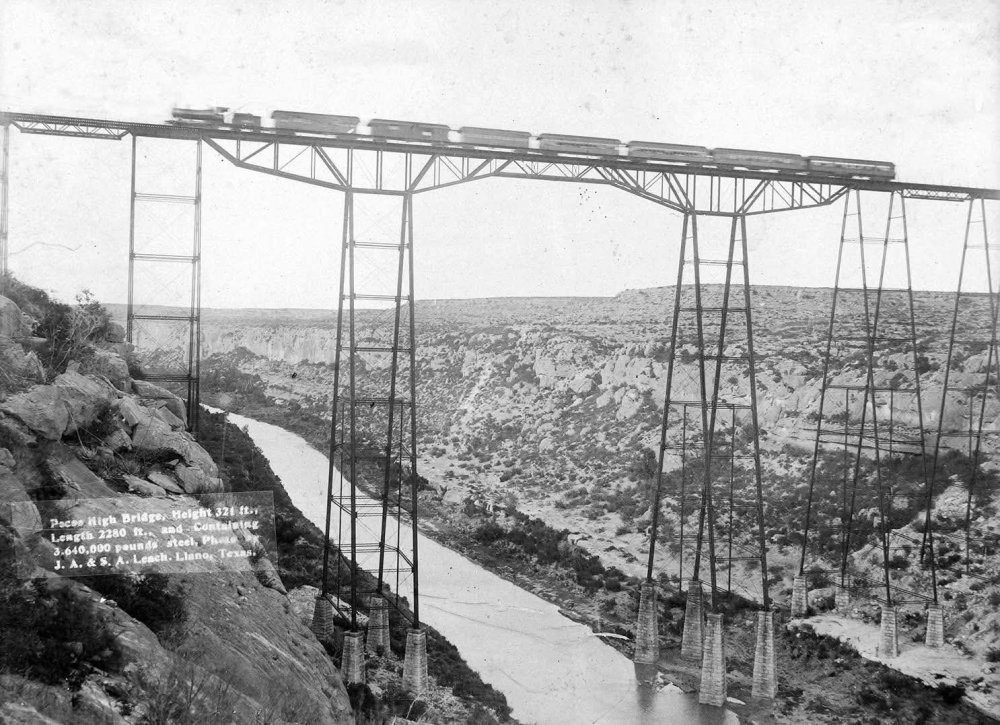
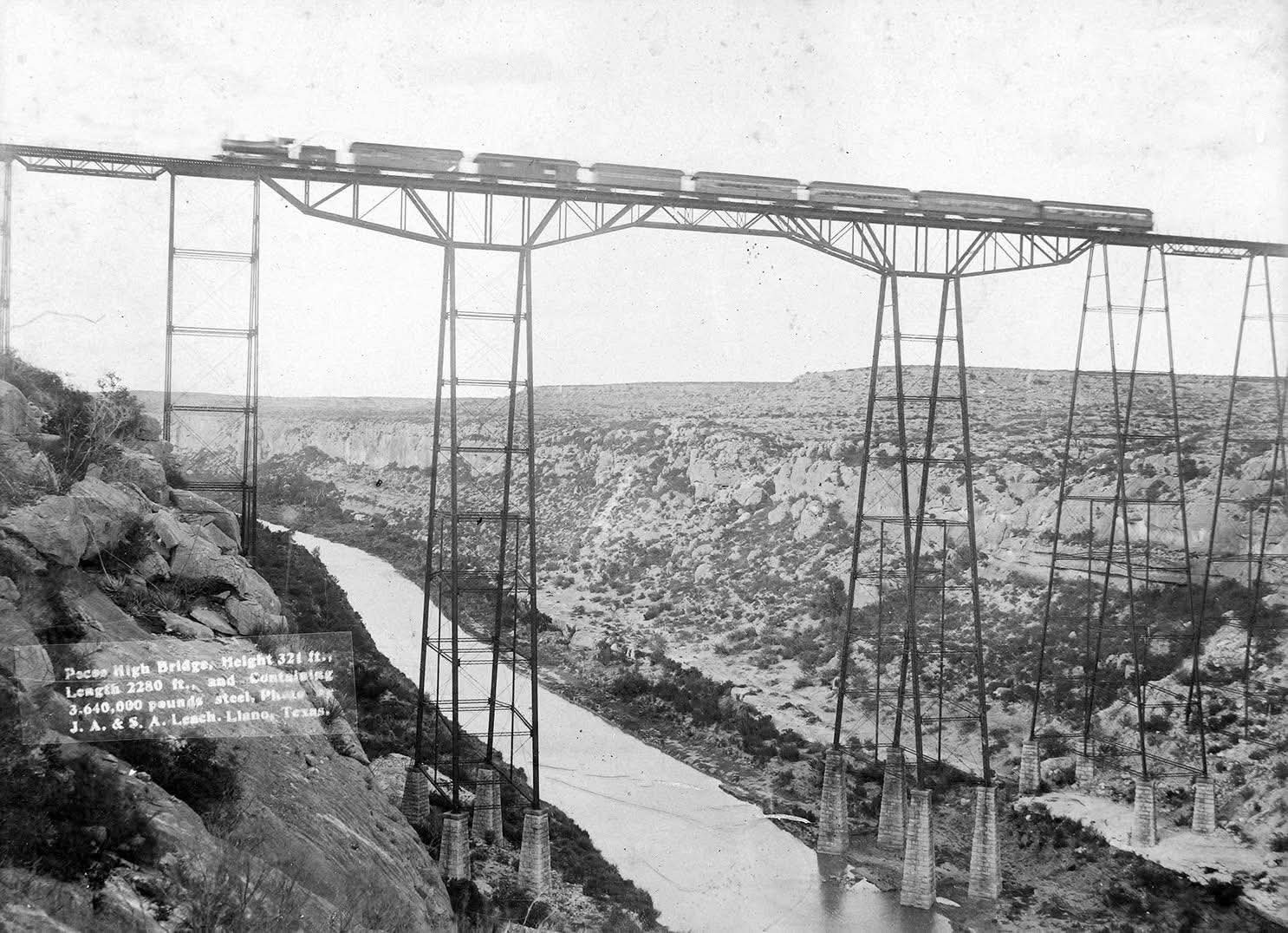
Holy moly! TOT reader Francis Reaves kindly shared this astonishing circa 1895 photo of a train crossing the high bridge over the Pecos River near Langtry. If you have a large computer monitor, check out the architectural details ... the underpinnings, the foundation/footings and how they are built etc.. Wow. What an engineering feat and what a leap of faith to cross it in a train! I am reminded of this quote:
"The high, spindle-legged railroad bridge across the deep canyon formed by the Pecos River between Langtry and Comstock was breathtaking. It was more breathtaking to stand on it and look down than to stand beneath it and look up. It had no guardrails, and a broad footpath ran its length. To walk across made one giddy enough, and legend gives credit to a young ranchwoman who first dared to ride across it on horseback. She was celebrated in an anonymous poem, "The Pecos River Queen." James Cooper of Snyder said that when he lived near the bridge in the 1930s, sheet metal was laid in places where the wooden walk was unsafe. Many times, however, he and others rode their horses across that clattering path with the danger of plummeting to death at both elbows. He said you needed a steady, unspookable horse. Others told stories of their encounters with the Old Pecos High Bridge. When she was a child, Katherine Anne Porter crossed it more than once on trips from Kyle, Texas, to El Paso. She remembered the bridge, which was two years younger than she, having been built in 1892, as being unsafe. She wrote, "Here was the famous and beautiful Pecos Bridge, then supposed to be the highest and one of the longest in the world." Three hundred twenty-one feet above the river, it stretched 2,180 feet long, almost half a mile. It was the highest bridge in the United States and third highest in the world, merely 27 feet short of the record. "
------ Elton Miles, More Tales from the Big Bend, 1988
Thank you, Francis. I have never seen this photo before
.
-
3
-
2
-
-
That really sucks. Hit all the swapmeets and pawnshops.
-
2
-
2
-
-
1 hour ago, Alpo said:
All right Mr Dumpty. You say so.
I knew that you would get that!

-
What are you talking about?
Christian Era
and
Before Christian Era
I don't care what anyone else says. When I use a word (phrase), it means what I want it to mean - neither more nor less.
-
Cricket has a fixed pitch size, but a variable field size.
-
1
-
-
9 minutes ago, Alpo said:
Not that CE and BCE garbage.
What's wrong with Christian Era and Before Christian Era?
It goes back to, I think, the 17th century. First used by a clergyman/scholar.
If you want to push buttons and have some fun, push someone who is obnoxious strident about using it to define what event marks the start of the "Common Era."
-
2
-
-
Fascinating! Thanks you.
-
1
-
-
-
-
4 hours ago, Buckshot Bear said:
The Greatest Generation of our time.
In one of the interviews on that YouTube channel, I think with a ball turret gunner, the interviewer used that phrase and it set the guy off. He hated it and went on a rant about how the generations of Korea, Vietnam, and the Gulf Wars are as great, if not greater.
-
1
-
-
-
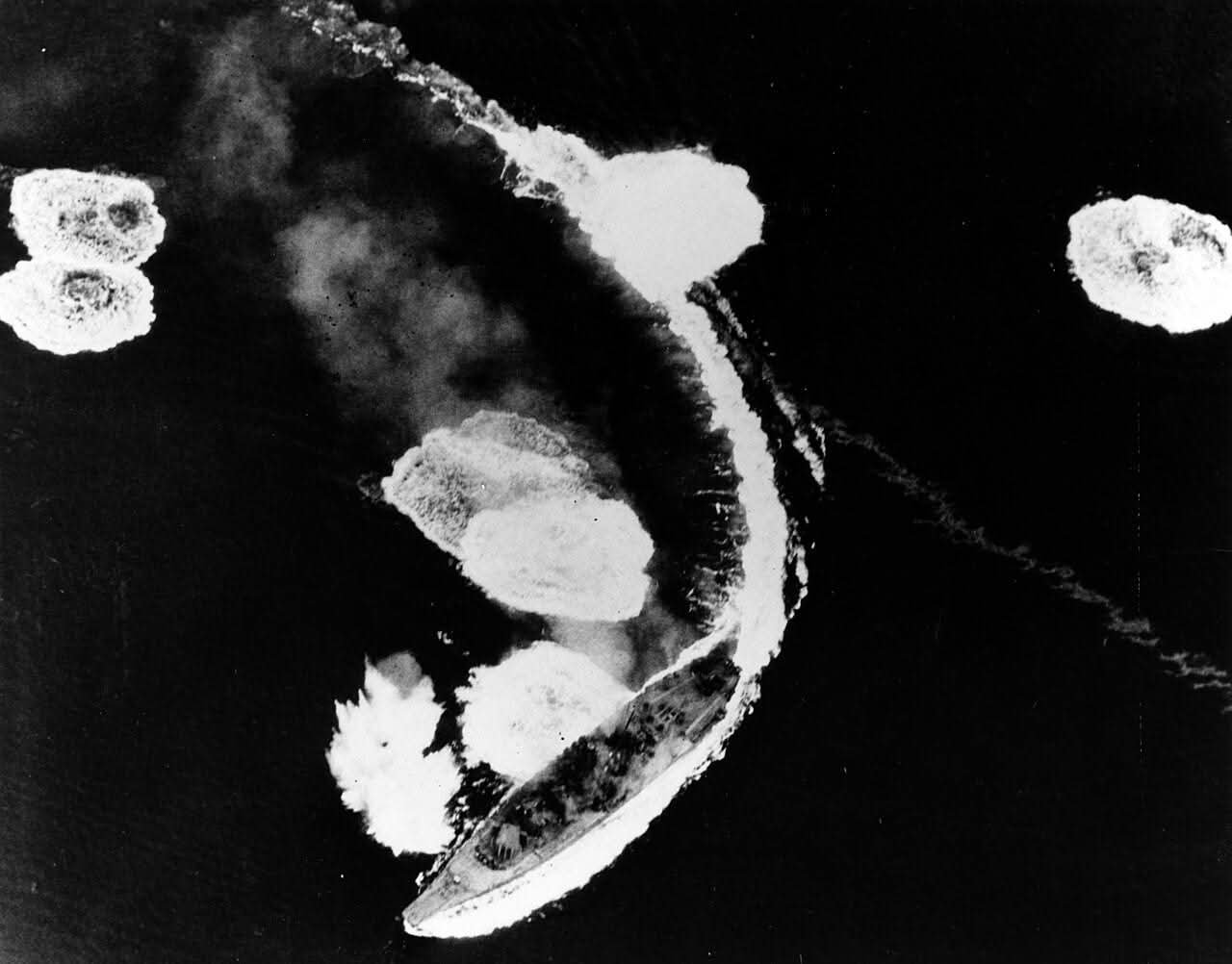
From the Navy General Board FB page.
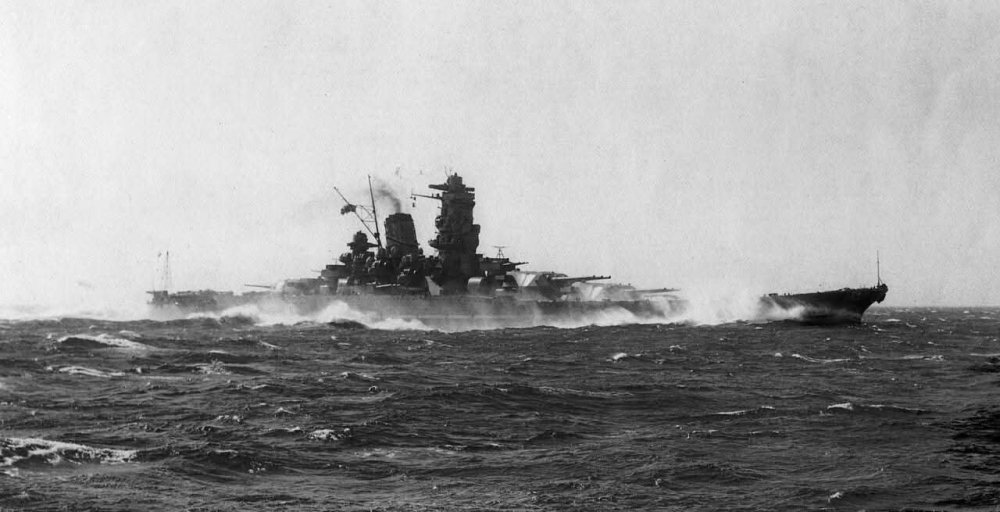
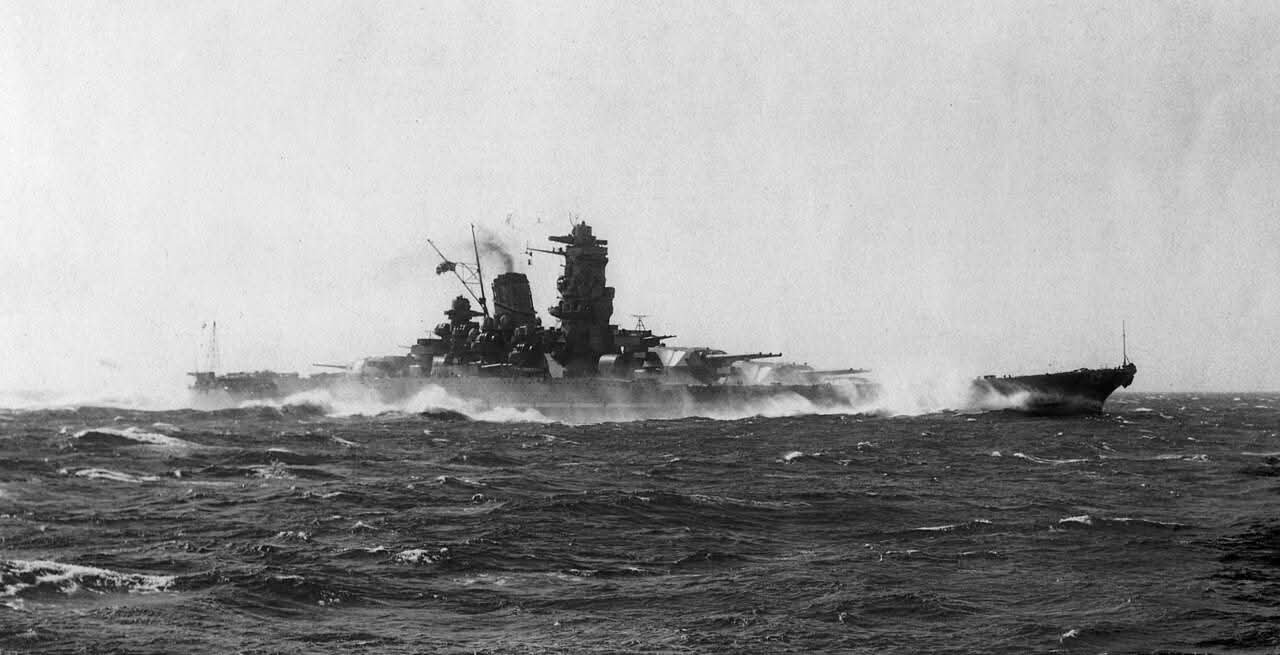
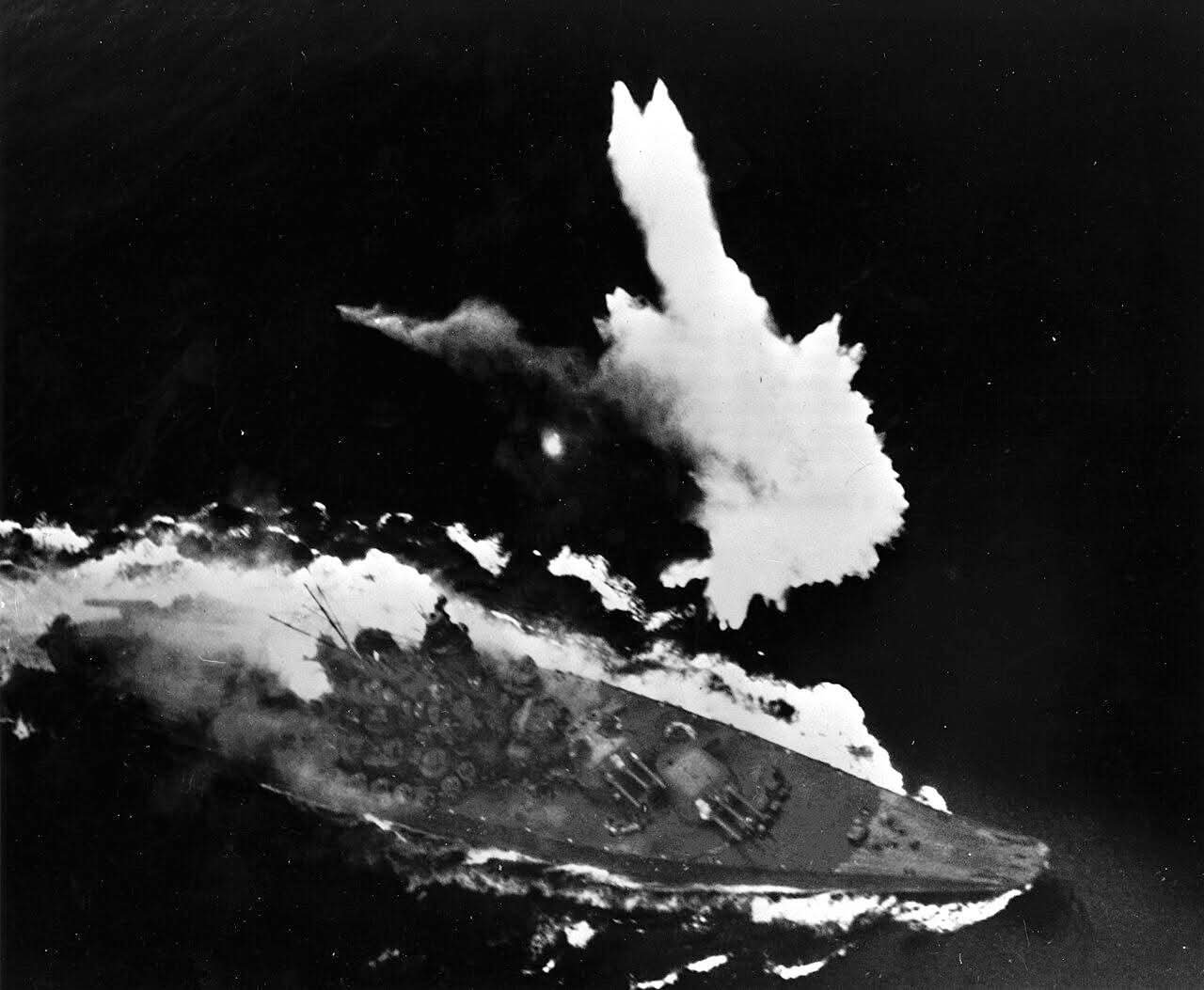
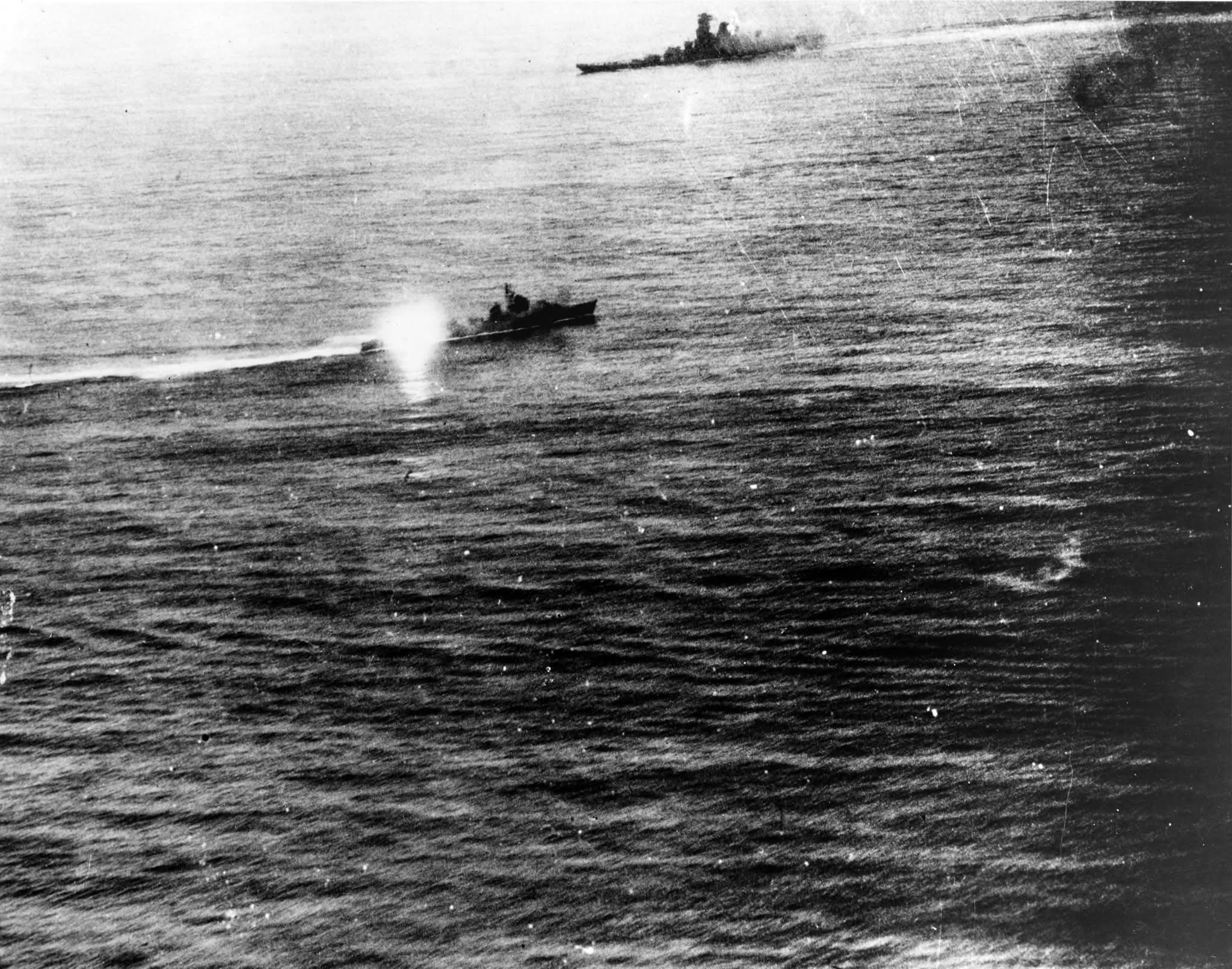
"I often recieve questions asking what would have happened if United States carrier aircraft had not been able to intercept Operation Ten-Go.
Ten-Go, also known as Operation Kikusui I, was the legendary suicide mission undertaken by the Imperial Japanese Navy to send the battleship Yamato and several smaller ships to fight the United States invasion of Okinawa.
The Japanese ships participating in Operation Ten-Go include:
Yamato - Yamato class battleship
Yahagi - Agano class light cruiser
Asashimo - Yūgumo class destroyer
Hamakaze - Kagerō class destroyer
Yukikaze - Kagerō class destroyer
Isokaze - Kagerō class destroyer
Suzutsuki - Akizuki class destroyer
Fuyutsuki - Akizuki class destroyer
Hatsushimo - Hatsuharu class destroyer
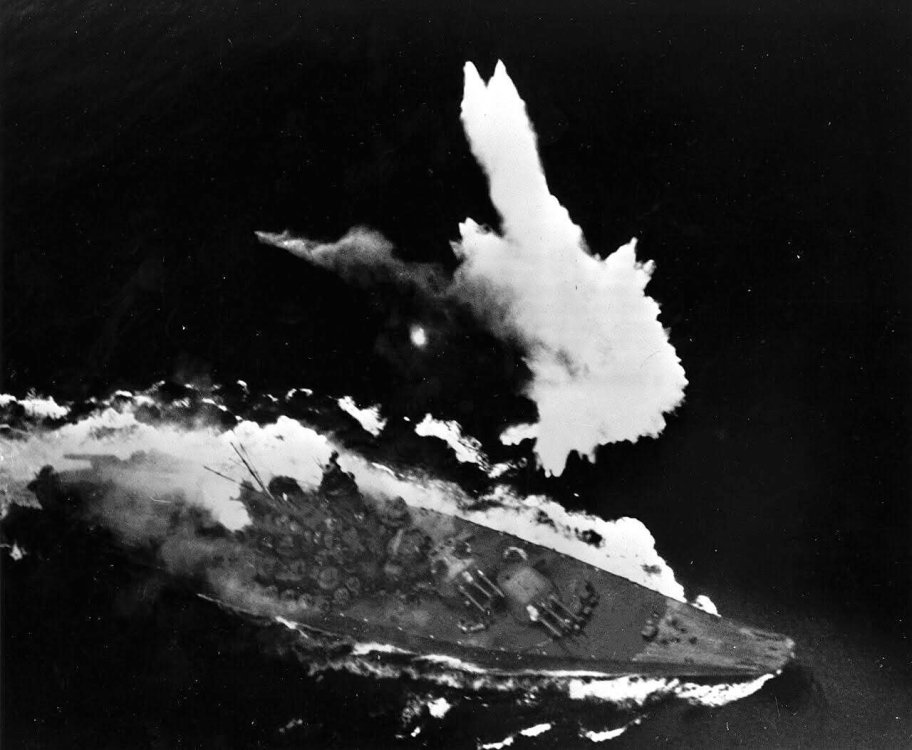
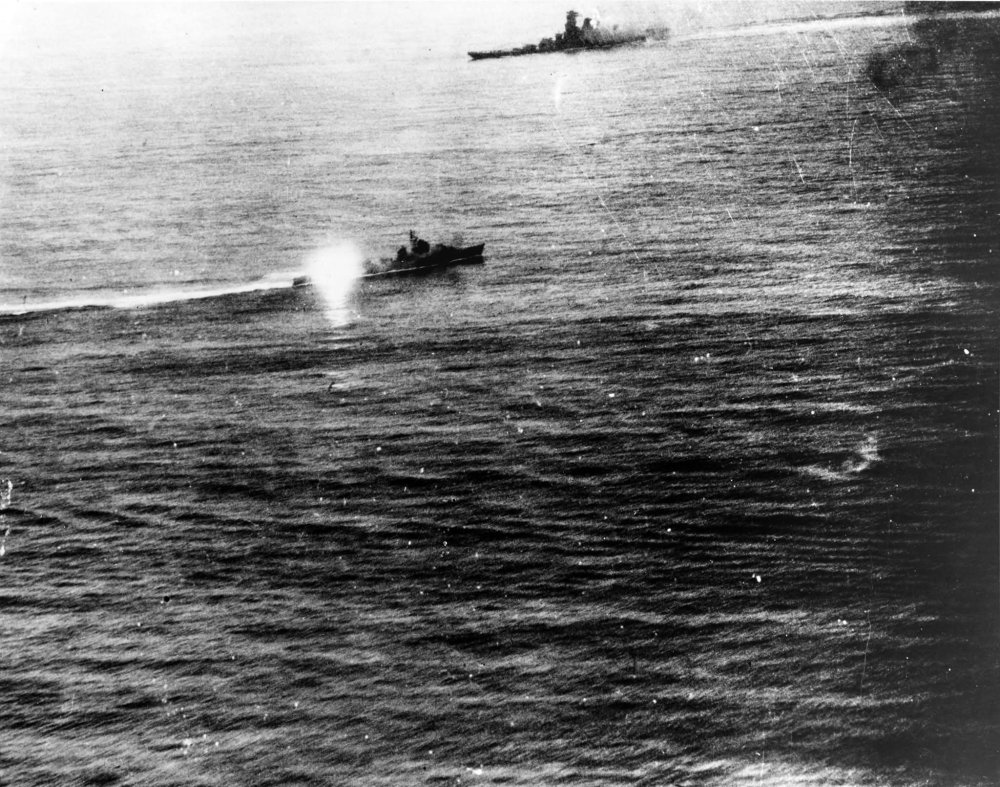
Kasumi - Asashio class destroyerWe know that Operation Ten-Go was intercepted and annihilated by a massed attack by carrier-based aircraft. The resulting loss cemented Yamato as a legendary warship and signaled the approaching end of the Japanese Empire.
So what would have happened had the United States carriers not been able to intercept Yamato. Would the Japanese ships be able to make it to Okinawa and fulfill the goals of the Operation?
In all likelihood, No.
The United States was aware of Operation Ten-Go before it actually occured. They intercepted numerous transmissions as planning was undertaken and even recieved transmissions when the final order was given.
After deparing at April 6 at 1600, it took less than two hours for the United States to receive confirmation. At 1745, the Japanese ships were sighted by United States Submarines. Based on previous intelligence data, this confirmed that Operation Ten-Go was underway. As the Japanese ships steamed towards Okinawa, they were were under almost constant surveillance by submarine and aircraft, allowing the United States Navy to precisely monitor their location.
The Initial response by the United States Navy was gathering the available battleships of Task Force 54 into a battleline to meet Yamato and her escorts. Task Force 54 was made up of several Battleships that were currently providing gunfire support during the invasion of Okinawa.
Task Force 54:
USS West Virginia (BB-48)
USS Maryland (BB-46)
USS Colorado (BB-45)
USS Tennessee (BB-43)
USS Idaho (BB-42)
USS New Mexico (BB-40)
USS Nevada (BB-36)
USS Texas (BB-35)
USS New York (BB-34)
USS Arkansas (BB-33)A total of 24x 16" (406mm), 66x 14" (356mm) guns, and 12x 12" (305mm) against 9x 18.1" (460mm), not including the escorts.
The battleline were under the command or Rear Admiral Morton Deyo, one of the most experienced battleship commanders in the United States Navy at the time.
As night arrived on April 6, it was decided to reconfigure the intercept Force. The older battleships would hang back closer to Okinawa as a second line of defense. Instead, a larger and more powerful battleline was formed.
The new battleline under Deyo would include:
USS Wisconsin (BB-64)
USS Missouri (BB-63)
USS New Jersey (BB-62)
USS Massachusetts (BB-59)
USS Indiana (BB-58)
USS South Dakota (BB-57)
USS Guam (CB-2)
USS Alaska (CB-1)
Plus five additional cruisers and twenty-one destroyers.A new total of 54x 16" (406mm) and 18x 12" (305mm) guns against 9x 18.1" (460mm), not including the escorts.
Due to submarines and reconnaissance aircraft tracking Yamato, as well as prior knowledgeable of the operation by the USN, there was ample time to formulate a battle plan. In fact, Rear Admiral Deyo kept his battleships engaged in gunfire support operations during the initial stages of Ten-Go. He would not set out to actually intercept the Japanese ships until 1530 on April 7, almost a full day after Yamato was first detected.
Of course, nothing came of this. Though Deyo began planning to assemble his battleline, Vice Admiral Marc Mitscher initiated the massed air attack that would sink the Japanese ships. Deyo was to continue assembling his battleships as a backup should the the aircraft fail. However, the air attack that sank the Japanese was so fast, that the battleships were soon back to shelling Okinawa within a few hours.
Overall, Operation Ten-Go was doomed from the start. Even with aircraft out of the equation, the Japanese forces were up against an overwhelming battleline of United States surface forces. Yamato, despite her massive guns and armor, was going to be sunk. In the event of a surface battle, Japan might have been able to inflict more damage at best. However, the overall result would stay the same."
(There were no captions on the photos)
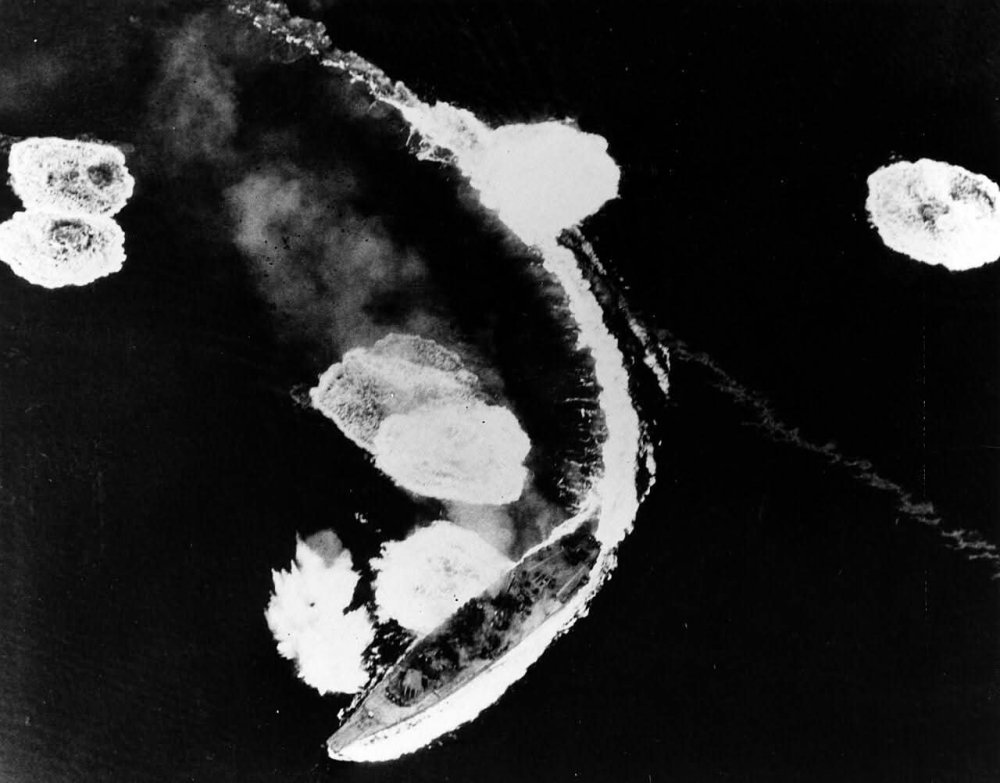
Other information:
http://www.navweaps.com/index_oob/OOB_WWII_Pacific/OOB_WWII_Final_Sortie.php
-
2
-
2
-
-
DANG! Those things are as tall as a moose!
-
3
-
-
Chris Robinson, who starred as a World War II bomber pilot on the 1960s ABC drama 12 O’Clock High and had lengthy stints on the daytime soap operas General Hospital and The Bold and the Beautiful, has died. He was 86.
Robinson died Monday on his ranch near Sedona, Arizona, actor and musician MJ Allen announced on Facebook. They worked together on the 2022 film Just for a Week.
During an acting career that spanned eight decades, Robinson worked alongside Burt Lancaster in The Young Savages (1961) and Birdman of Alcatraz (1962), both directed by John Frankenheimer, and with Addams Family icon Ted Cassidy in four films, all of which he directed.
Of Viands and Victuals
in SASS Wire Saloon
Posted
Seasoned Snack Crackers, aka Firecrackers
2 or 3 sleeves Saltine Crackers. Or more, up to maybe 6. I find that even with 4 sleeves there isa modest amount of Oil left in the bag. Or a whole big heap of Oyster Crackers.
About ½ to ¾ cups Vegetable Oil*
Seasoning:
Here it's up to you. A packet each of Ranch Dressing Mix and Italian Seasoning Mix along with some Red Pepper Flakes if you want it spicy.
Or Salt, Pepper, Garlic Powder, Dried Dill, Dried Parsley, and Dried Oregano. Go heavy on the herbs and light on the Salt.
Go with what you like.
*You can use Olive Oil or a combination of melted Butter and Oil. If you use a combination, limit the butter to no more than about a quarter of the total amount.
Put the Saltines in a large container with a tight fitted lid or a large freezer bag. I like the bag.
Mix the Oil and Seasoning. Pour Seasoned Oil over the Saltines as evenly as possible. If using a lidded container, for the first 30 minutes or so flip it about every 5 minutes. Then every hour or so.
If using a bag, kind of gently massage them around and make the bag as flat as possible. Turn over about every 15 minutes or so for a few hours.
Now, here's the odd thing….you can let this sit for about 12 hours, the Oil will be absorbed, and they will be crisp and only slightly oily. Or after a couple of hours, lay them out on sheet trays and bake in a slow oven, 250°F to 275°F for 20 minutes. You can flip after 10 minutes, but it's not 100% necessary. This adds a nutty, toasty taste and texture, and makes them a little less oily.
Either way, a very easy and inexpensive savory snack.